Introduction
Keeping your dog safe and secure is every pet owner’s top priority. A GPS collar offers peace of mind by allowing you to track your furry friend’s location in real-time, whether they’re exploring the backyard or out on an adventure. But to get the most out of this handy technology, it’s important that your dog is comfortable wearing the collar and understands it’s part of their everyday gear.
Training
Training your dog to use a GPS collar doesn’t have to be complicated. With patience, consistency, and a few simple steps, you can help your dog get used to wearing the collar and even enjoy the experience. In this guide, we’ll walk you through everything you need to know to introduce your dog to their new GPS collar smoothly and effectively — so you can enjoy worry-free outings and quick location updates whenever you need them.
Affiliate Disclosure:
Some of the links in this post are affiliate links. This means if you click through and make a purchase, we may earn a small commission at no extra cost to you. This helps support our work and allows us to keep providing helpful content. We only recommend products we trust and believe will add value for you and your dog.
Disclaimer:
While GPS collars are valuable tools for locating your dog, they are not a substitute for responsible pet supervision. GPS signals can sometimes be affected by terrain, weather, or device limitations, and collars may malfunction or lose battery power. Always ensure your dog wears proper identification tags and is supervised whenever possible. Consult your veterinarian or pet care professional if you have concerns about your dog’s comfort or safety while using GPS tracking devices.
Why Use a GPS Collar for Your Dog?
<a id=”why-use-a-gps-collar-for-your-dog”></a>
A GPS collar is an excellent safety tool for dog owners who want peace of mind when their pets are exploring outdoors. Unlike traditional collars or tags, a GPS collar allows you to track your dog’s exact location in real time through a smartphone app or computer. This technology is especially helpful if your dog tends to wander, has a habit of escaping, or you enjoy taking them on hikes and outdoor adventures.
Beyond location tracking, many GPS collars offer additional features such as activity monitoring, geofencing alerts, and health tracking. These smart collars can provide insights into your dog’s daily habits and help you respond quickly if they get lost or stray too far. Introducing your dog to a GPS collar and training them to wear it comfortably ensures you can use these benefits to their fullest.
Step 1: Choose the Right GPS Collar
<a id=”step-1-choose-the-right-gps-collar”></a>
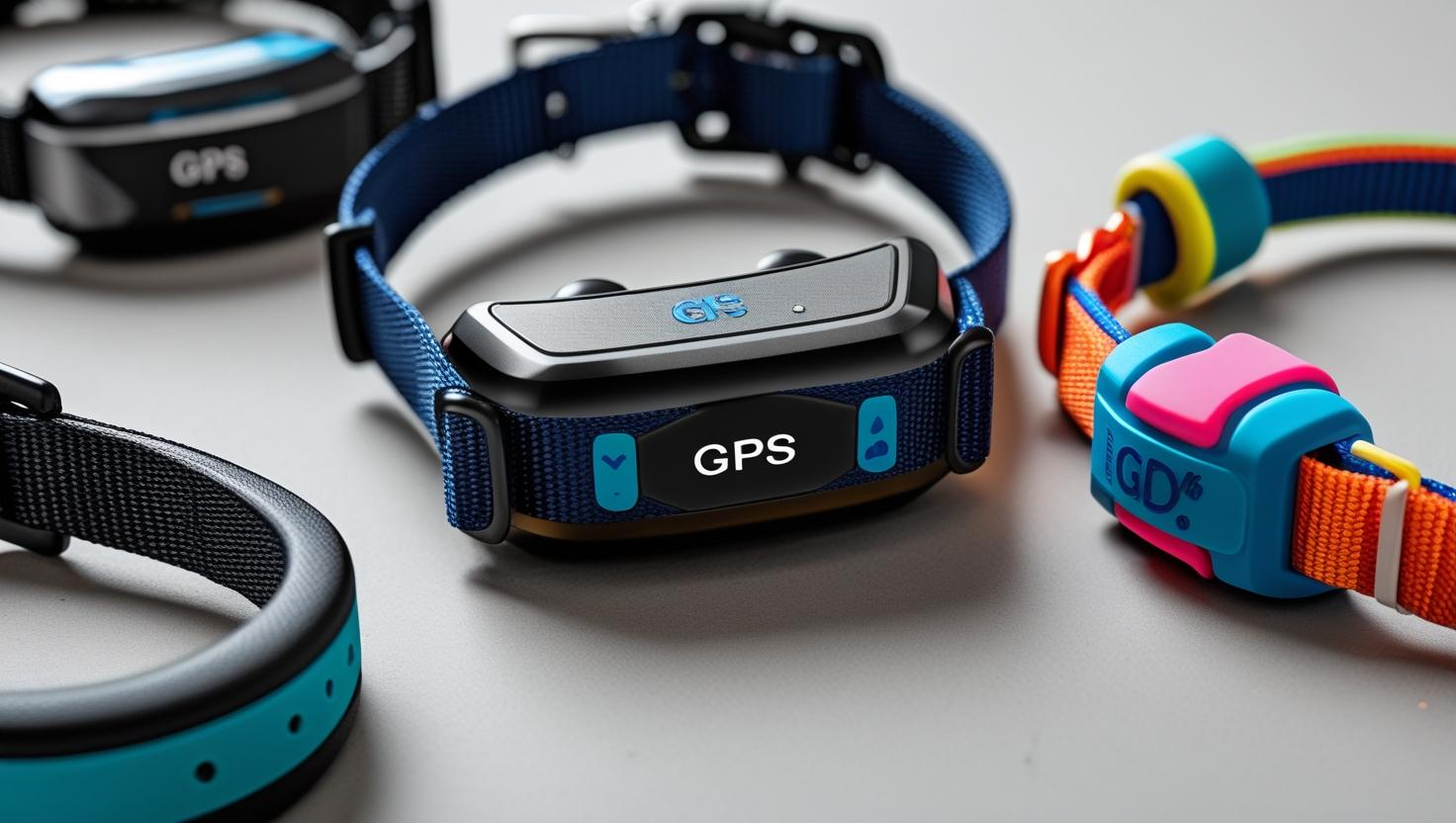
Selecting the right GPS collar is the first and most important step to ensure your dog’s comfort and the device’s effectiveness. When shopping for a GPS collar, consider factors such as:
- Size and Weight: Choose a collar that fits your dog’s neck comfortably without being too heavy or bulky. Lightweight collars are best, especially for smaller breeds or puppies.
- Durability: Look for collars made of sturdy materials that can withstand outdoor activities, water, and rough play.
- Battery Life: Longer battery life means less frequent charging and more reliable tracking.
- Features: Some collars offer extra perks like activity monitoring, geofencing (alerts if your dog leaves a designated area), or two-way communication.
- Subscription Fees: Many GPS collars require a monthly subscription for cellular tracking. Be sure to factor this into your budget.
A good fit and quality features will make it easier for your dog to get used to the collar and help you get the best tracking experience.
Step 2: Introduce the Collar Gradually
<a id=”step-2-introduce-the-collar-gradually”></a>
Before putting the GPS collar on your dog, take time to introduce it slowly and positively. Dogs are naturally curious, and letting them explore the collar on their own terms helps reduce fear or resistance.
Tips for a smooth introduction:
- Let them sniff it: Place the collar near your dog during a calm moment and allow them to investigate it with their nose.
- Pair it with treats: Every time they show interest or remain calm around the collar, reward them with praise or a favorite treat.
- Avoid forcing it on right away: Rushing to put it on can create a negative association. Build trust by making the collar part of a relaxed routine.
If your dog is especially sensitive to new objects, you might try leaving the collar near their bed or in a familiar space for a day or two. The goal here is to make the GPS collar feel as normal and unthreatening as any other piece of gear.
Step 3: Get Your Dog Used to Wearing the Collar
<a id=”step-3-get-your-dog-used-to-wearing-the-collar”></a>
Once your dog is comfortable around the GPS collar, the next step is helping them get used to actually wearing it. The key here is short, positive experiences that gradually build up over time.
How to do it:
- Start indoors: Clip the collar on for just a few minutes inside the house while offering praise, treats, or playtime.
- Watch their body language: Look for signs of discomfort (scratching, shaking, trying to remove it) and remove the collar if needed to prevent frustration.
- Increase wearing time gradually: Each day, keep the collar on a bit longer—starting with 5 minutes and working up to a few hours.
- Distract with fun: Engage your dog with a favorite toy, puzzle, or training session while the collar is on. This shifts the focus away from the collar itself.
You want your dog to associate the GPS collar with positive experiences and daily routines. Once they seem relaxed wearing it indoors, you can begin using it outdoors for short walks.
Step 4: Attach the GPS Collar Alongside a Regular Collar
<a id=”step-4-attach-the-gps-collar-alongside-a-regular-collar”></a>
If your dog is already used to wearing a traditional collar, a great transitional step is to use both collars at the same time for a short period.
Why this helps:
- It allows your dog to continue feeling secure with their familiar collar while adjusting to the new one.
- You can monitor how the GPS collar sits and ensure it doesn’t cause any irritation or chafing.
- It gives you an opportunity to adjust the GPS collar’s fit without removing your dog’s regular ID tag collar.
How to do it:
- Attach the GPS collar just above or below the regular collar (not overlapping).
- Use short walks or backyard time to observe your dog’s behavior while both collars are on.
- Gradually shift to only the GPS collar once your dog is fully comfortable.
Note: Always make sure both collars are adjusted properly. The GPS collar should be snug enough to stay in place but loose enough to fit two fingers underneath.
Step 5: Practice Using the GPS Features
<a id=”step-5-practice-using-the-gps-features”></a>
Now that your dog is wearing the GPS collar comfortably, it’s time to practice using the tracking features so you’re confident in how everything works.
What to practice:
- Real-time tracking: Take your dog on a short walk and use the GPS app to watch their location update in real time. Make sure you get a signal and understand how the map works.
- Geofencing (if available): Try setting up a safe zone (like your yard) and test whether the app alerts you if your dog leaves the area.
- Sound or light cues: Some GPS collars offer audio signals or lights to help you locate your dog up close. Practice using these features during play or recall training.
Why this matters:
These practice sessions ensure that you understand how the tech works before you need it in a real-life situation. They also help your dog associate wearing the collar with normal, positive activities like walking, sniffing, and exploring.
Step 6: Monitor Your Dog’s Reactions
<a id=”step-6-monitor-your-dogs-reactions”></a>
Even after your dog starts wearing the GPS collar regularly, it’s important to keep an eye on how they’re reacting over time. Dogs can develop sensitivities to gear they seemed fine with at first, especially if the collar is worn for long periods.
What to look for:
- Physical signs of discomfort: Check for rubbing, hair loss, redness, or skin irritation around the neck area.
- Behavioral signs: If your dog starts scratching at the collar, acting lethargic, or avoiding having it put on, they might need a break—or a different collar design.
- Fit adjustments: As your dog grows or changes weight, the collar may need to be loosened or tightened slightly for comfort and security.
Tip:
Remove the GPS collar at night or when your dog is relaxing indoors for long stretches. This helps prevent wear and tear on both the collar and your dog’s skin.
Regular check-ins show your dog that the collar isn’t a permanent fixture—and that you’re paying attention to their needs and comfort.
Step 7: Maintain the Collar and Update Your Dog’s Info
<a id=”step-7-maintain-the-collar-and-update-your-dogs-info”></a>
A GPS collar is only as effective as the upkeep behind it. To keep your dog safe and ensure accurate tracking, regular maintenance and information updates are essential.
Key maintenance tasks:
- Charge the battery regularly: Get familiar with your collar’s battery life and set a reminder to recharge it before it runs low—especially before hikes or outings.
- Clean the collar: Wipe down the collar with a damp cloth to remove dirt, sweat, or debris. A clean collar lasts longer and stays more comfortable.
- Check for damage: Inspect for signs of wear, especially around the buckle, strap, and GPS housing.
Update info:
Most GPS collars come with a connected app where your dog’s profile lives. Be sure to:
- Keep your contact info current (especially if you move or change numbers).
- Add up-to-date photos of your dog to help with identification if they go missing.
- Review settings like geofence zones or alert preferences every few months.
Routine maintenance helps you avoid last-minute surprises—and keeps your GPS collar functioning reliably when you need it most.
Bonus Tips for Success
<a id=”bonus-tips-for-success”></a>
Training your dog to use a GPS collar is mostly about patience, consistency, and building positive associations. These extra tips can help make the process smoother and more successful for both of you.
Helpful reminders:
- Keep sessions short and positive: Especially during the early days, don’t overwhelm your dog. A few minutes of training at a time is enough.
- Use high-value rewards: Treats your dog loves (or extra playtime) go a long way in reinforcing good behavior around the collar.
- Avoid negative associations: Never scold or punish your dog while they’re wearing the GPS collar. You want them to feel safe and relaxed in it.
- Don’t rely solely on the collar: GPS collars are a great safety tool—but not a substitute for basic obedience training, a secure yard, or supervision.
- Practice recall with the collar on: Reinforce “come” or whistle commands while your dog is wearing the collar, so it’s not just associated with walks or boundaries.
Small, consistent wins will build your dog’s confidence and help them see the collar as just another part of their routine—like their leash or harness.
Conclusion
<a id=”conclusion”></a>
Training your dog to use a GPS collar doesn’t have to be stressful—for you or your pup. With a gentle introduction, positive reinforcement, and consistent practice, most dogs will adapt quickly to wearing a GPS collar as part of their daily routine.
Remember, the collar itself is only half the equation. Knowing how to use the tracking features confidently and maintaining the device properly ensures it will be a reliable tool for safety and peace of mind. Whether your dog is a backyard explorer, a hiking buddy, or an occasional escape artist, a GPS collar can be a lifesaver.
With the steps we’ve covered in this guide, you’re well on your way to using your GPS collar confidently—and helping your dog feel good wearing it.
🔍 Want to explore more? Check out our full guide here: Smart Collars & GPS Trackers: Complete Guide for Dog Owners