🐾 Introduction
Ever wondered how your dog’s GPS collar actually keeps track of their location—or even their health? These smart collars aren’t just fancy tech; they’re powerful tools built with satellite positioning, real-time tracking, and even activity monitoring. Whether you’re using one to prevent your pup from getting lost or to keep tabs on their exercise and safety, understanding how GPS dog collars work gives you peace of mind and helps you choose the right gear for your dog’s needs. Let’s break it all down, from satellites to sensors.
🐾 What Is a GPS Dog Collar?
A GPS dog collar is a wearable device designed to help pet owners track their dog’s location using Global Positioning System (GPS) technology. Unlike traditional collars, these collars are equipped with GPS receivers that communicate with satellites orbiting the Earth to pinpoint your dog’s exact position. The collar then sends this location data to your smartphone or computer, often through a mobile app, so you can monitor your dog in real time. Many modern GPS collars also include additional features like activity monitoring, health tracking, and geo-fencing, making them multifunctional tools for pet safety and wellness.
🐾 GPS vs Bluetooth vs Radio Frequency: What’s the Difference?
When it comes to tracking your dog, there are several technologies used in collars—GPS, Bluetooth, and Radio Frequency (RF)—each with its own strengths and limitations.
- GPS Collars: These rely on satellites to provide precise, real-time location tracking anywhere your dog roams, making them ideal for outdoor adventures and off-leash situations. However, they usually require a cellular or Wi-Fi connection to transmit location data to your phone.
- Bluetooth Collars: Bluetooth collars work within a short range (typically up to 100 feet) and connect directly to your smartphone. They’re great for monitoring your dog when you’re nearby but don’t work well for tracking long distances or if your dog gets lost far from home.
- Radio Frequency Collars: RF collars use radio waves to transmit a signal to a handheld receiver. These can work over several miles depending on the device but don’t provide GPS coordinates — instead, they show direction and approximate distance. RF collars don’t require cellular service, making them reliable in remote areas but less precise than GPS.
Choosing the right technology depends on your dog’s lifestyle and how far they typically roam.
🐾 How GPS Collars Actually Work
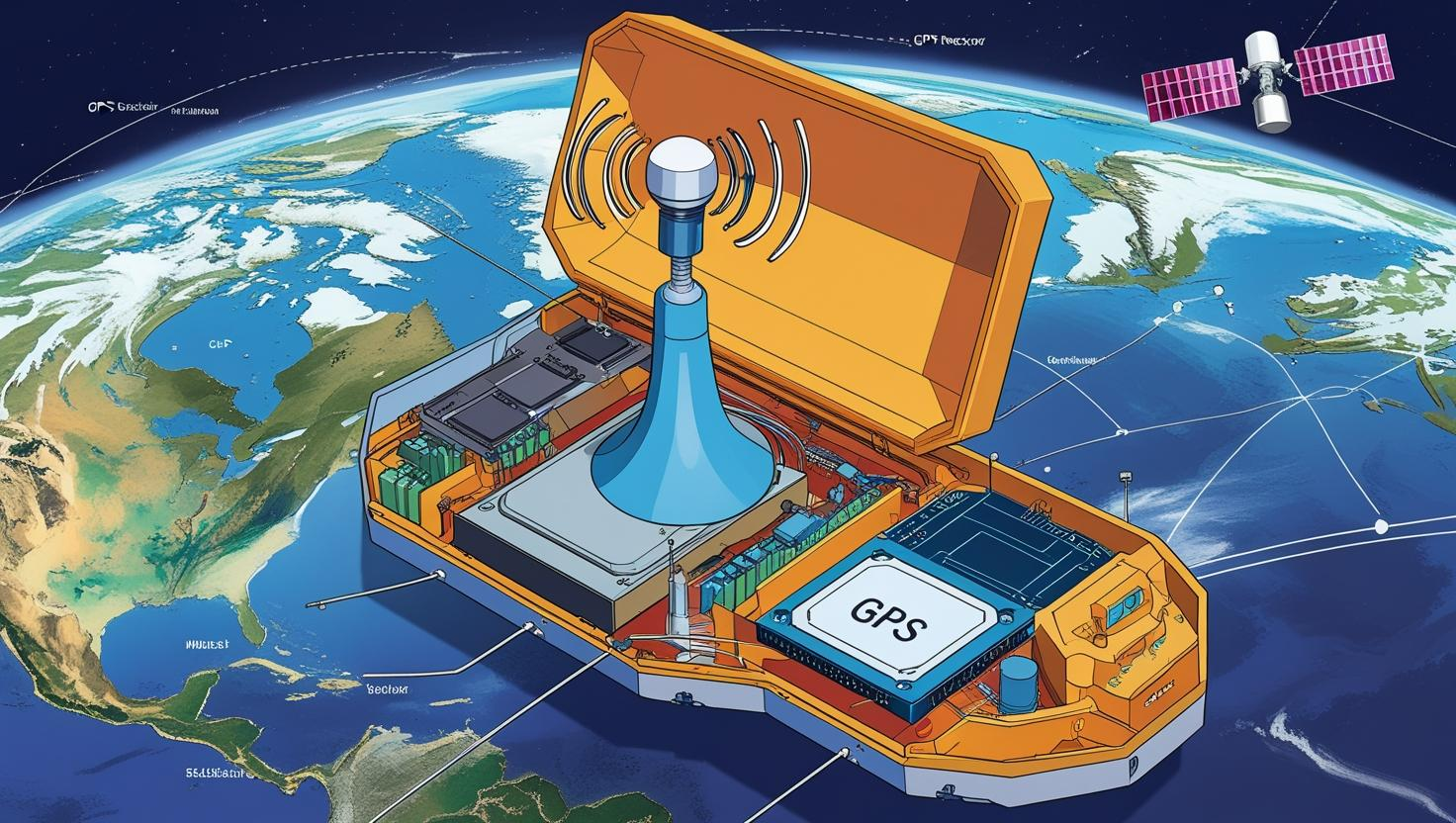
GPS collars work by connecting to a network of satellites that orbit the Earth. Here’s the step-by-step process:
- Satellite Communication: The collar contains a GPS receiver that picks up signals from multiple satellites (usually at least four) to calculate its exact position through a process called trilateration.
- Position Calculation: By measuring the time it takes for signals from different satellites to reach the collar, the GPS receiver determines latitude, longitude, and sometimes altitude, pinpointing your dog’s location with impressive accuracy.
- Data Transmission: Once the location is calculated, the collar uses cellular networks (similar to your smartphone) to send this data to the manufacturer’s servers.
- User Access: You can then access your dog’s location via a smartphone app or web platform, which displays their real-time or last-known location on a map.
This system works continuously, allowing you to track your dog’s movement live or review their path history. The effectiveness depends on cellular coverage and the collar’s battery life.
🐾 Battery Life & Connectivity
Battery life is one of the most important factors when choosing a GPS dog collar. Since the collar needs to constantly communicate with satellites and cellular networks, it can drain power quickly. Most GPS collars offer battery life ranging from a single day up to two weeks, depending on usage and features.
Key points about battery and connectivity:
- Cellular Networks: GPS collars rely on cellular signals (3G, 4G, or LTE) to transmit location data. In areas with weak or no cellular coverage, real-time tracking may be delayed or unavailable.
- Power-Saving Modes: Many collars include power-saving features such as motion detection that puts the GPS tracker in standby mode when your dog is resting, extending battery life.
- Charging Options: Most collars recharge via USB or proprietary charging docks and take between 2 to 6 hours for a full charge.
- Alerts: Some collars send low battery alerts so you never get caught off guard.
Good battery management and reliable cellular service are essential for consistent GPS tracking.
🐾 Advanced Features: Health, Geo-Fencing & More
Modern GPS dog collars often go beyond just tracking location. Many models include advanced features designed to enhance your dog’s safety and well-being:
- Geo-Fencing: Set up virtual boundaries in the app so you get instant alerts if your dog leaves a designated safe area, such as your yard or neighborhood.
- Activity Monitoring: Track your dog’s daily exercise, rest periods, and overall activity levels to help maintain their health.
- Health Tracking: Some collars monitor vital signs like heart rate and temperature, giving insights into your dog’s wellness and alerting you to potential health issues.
- Two-Way Communication: Certain GPS collars come with built-in speakers and microphones, allowing you to call your dog or give voice commands remotely.
- LED Lights: For better visibility during nighttime walks or if your dog gets lost after dark.
These extra features can make GPS collars multifunctional tools that do more than just locate your dog.
🐾 Benefits of Using a GPS Collar
Using a GPS collar offers several advantages for both you and your dog:
- Peace of Mind: Real-time tracking means you always know where your dog is, reducing anxiety if they wander off or escape.
- Quick Recovery: If your dog gets lost, GPS collars increase the chances of finding them quickly and safely.
- Safety Alerts: Features like geo-fencing notify you immediately if your dog leaves a safe zone, helping prevent dangerous situations.
- Health Insights: Activity and health monitoring help you keep your dog in peak condition and catch potential problems early.
- Convenience: Mobile apps provide easy access to location and health data from anywhere, making dog care more manageable.
- Training Aid: Some collars with two-way communication can assist in training by allowing remote commands or calls.
Overall, GPS collars are valuable tools for responsible pet owners who want to keep their dogs safe and healthy.
🐾 Final Thoughts
GPS collars have revolutionized pet safety by combining satellite technology, cellular connectivity, and smart features to keep you connected with your dog no matter where they roam. Understanding how these collars work helps you make informed choices about which device suits your dog’s needs and lifestyle. While no system is perfect, the benefits of real-time tracking, health monitoring, and safety alerts make GPS collars an invaluable tool for modern pet owners.
If you’re looking to invest in one, consider your dog’s activity level, size, and your local cellular coverage to find the best fit. And don’t forget to check out our full guide on Smart Collars & GPS Trackers for Dogs → to compare top models and features.
Stay safe, stay connected, and keep your furry friend protected!